Lives and timers: the part of the game that runs when you are not playing
Lives and timers · published · checked · 6 min read
Five lives, one refill every thirty minutes, an event that closes on Sunday night. The time systems in casual puzzle games are the oldest part of the design and the part players think about least, even though they shape a session more than any board rule.
The three clocks
The life clock
You start with a small stock of lives, lose one per failed level, and regain one after a fixed wait. Winning costs nothing. The effect is that a bad run ends your session rather than your patience, which is deliberate.
The event clock
Timed events run for a day or a week with their own progress bar and rewards. They are the reason a game that felt finished suddenly has something to do on a Tuesday.
The reward clock
Daily bonuses that escalate across consecutive days and reset if a day is missed. The escalation is the mechanic: day seven is worth several times day one.
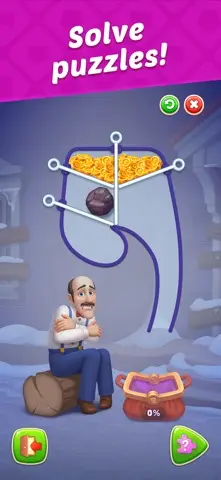
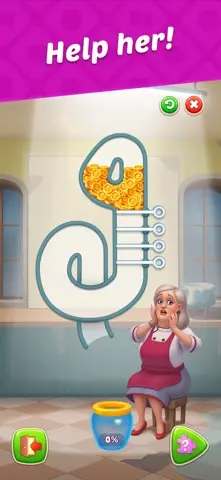
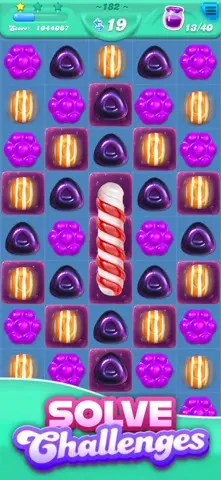
What waiting is actually for
Three things at once, and it helps to see all three:
- It stops a frustrated session from continuing into a worse one.
- It creates a reason to come back tomorrow, which is what these games are measured on.
- It creates the moment where refilling immediately can be bought or asked for.
None of that is hidden or unusual, and none of it requires spending. Lives refill on their own, and in most titles a team or club will send them for free within minutes.
Common misunderstanding: changing the device clock to skip a refill is not a shortcut. Most titles now check the wait against a server, and the ones that do not will often reset progress on the next sync. It is a good way to lose an event streak.
Free ways the clocks get shortened
- Joining a team or club and asking for lives, which usually costs nothing and returns within minutes.
- Daily rewards, which frequently include unlimited-life windows of fifteen to sixty minutes.
- Event completion rewards, which pay in the same currency as the shop.
A sensible session
Play until the lives run out, then stop. That is the shape the game is designed around, and it is also the shape that avoids the decision point described in our guide to difficulty gates. If a level needs a sixth attempt, tomorrow morning is a better sixth attempt than tonight.
Short version
- Three clocks run: lives, events, daily rewards.
- Waiting is a design choice, not a fault, and it is free to wait.
- Teams and daily rewards shorten the wait without spending.
- Do not change the device clock.
Homescapes: Match 3 Games on Google Playon the App Store
Both links open the developer's official listing. What a purchase costs, and whether one exists at all, is shown there and can change.