What changes after the first hundred levels
Difficulty · published · checked · 6 min read
Nobody stops playing a puzzle game because the levels are too easy. They stop at a specific level that will not move, after four or five attempts that all feel close. That level is rarely an accident, and understanding its role makes it less frustrating.
Difficulty does not rise smoothly
Level design in this genre works in blocks. A run of levels teaches a mechanic and is generously tuned, then one level tests it with a tight move budget. The tested level is the one people remember and complain about, and it usually sits at a round number: the end of an episode, the point where a new obstacle type appears, or just before a new area unlocks.
Once you can see the pattern, a hard level stops reading as a personal failure and starts reading as what it is: the checkpoint at the end of a block.
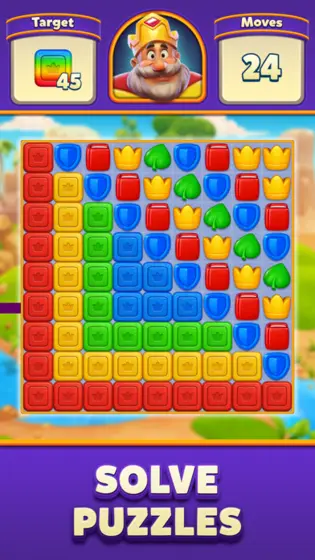

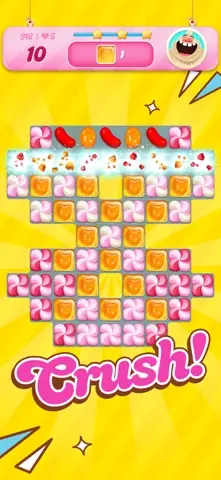
What actually changes at a gate
- Move budget. The same board with three fewer moves is a different level.
- Goal stacking. Two goals at once, where the efficient line for one works against the other.
- Obstacle placement. Blockers positioned so that the natural first move is the wrong one.
- Board shape. Narrow columns and split boards reduce how far a cascade can travel, which is covered in the reasoning behind special piece placement.
Practical test: if you are failing with the goal above roughly eighty per cent complete, the level is winnable with a better opening. If you are failing below half, the opening is not the problem, the plan is.
The three attempts rule
A level that resists three honest attempts usually needs a different approach rather than a fourth attempt. Change one thing deliberately: start at the other end of the board, clear the obstacle layer first instead of last, or spend the first three moves building a special instead of chasing the goal. Repeating the same opening and hoping the refill is kinder is the slowest route through a gate.
Why the games are built this way
A checkpoint level creates a decision point: retry, wait for lives to refill, ask a team for help, or buy something. That is the commercial logic and it is not hidden. Knowing it is there is enough to make the decision calmly rather than at the moment the moves run out, which is exactly when the offer appears. The timing systems behind that pause are covered in our guide to lives and timers.
Short version
- Hard levels cluster at block boundaries; they are checkpoints, not bad luck.
- Read how close you finished, not how many times you failed.
- Change one thing per attempt instead of repeating the same opening.
- Expect an offer at the moment of failure and decide about it later.
Royal Match on Google Playon the App Store
Both links open the developer's official listing. What a purchase costs, and whether one exists at all, is shown there and can change.